
If we wait
it’s too late.
The consequences of war are about to hit producers across the world.
We’re bringing our Christmas appeal forwards in response to a year of devastation for farming communities.
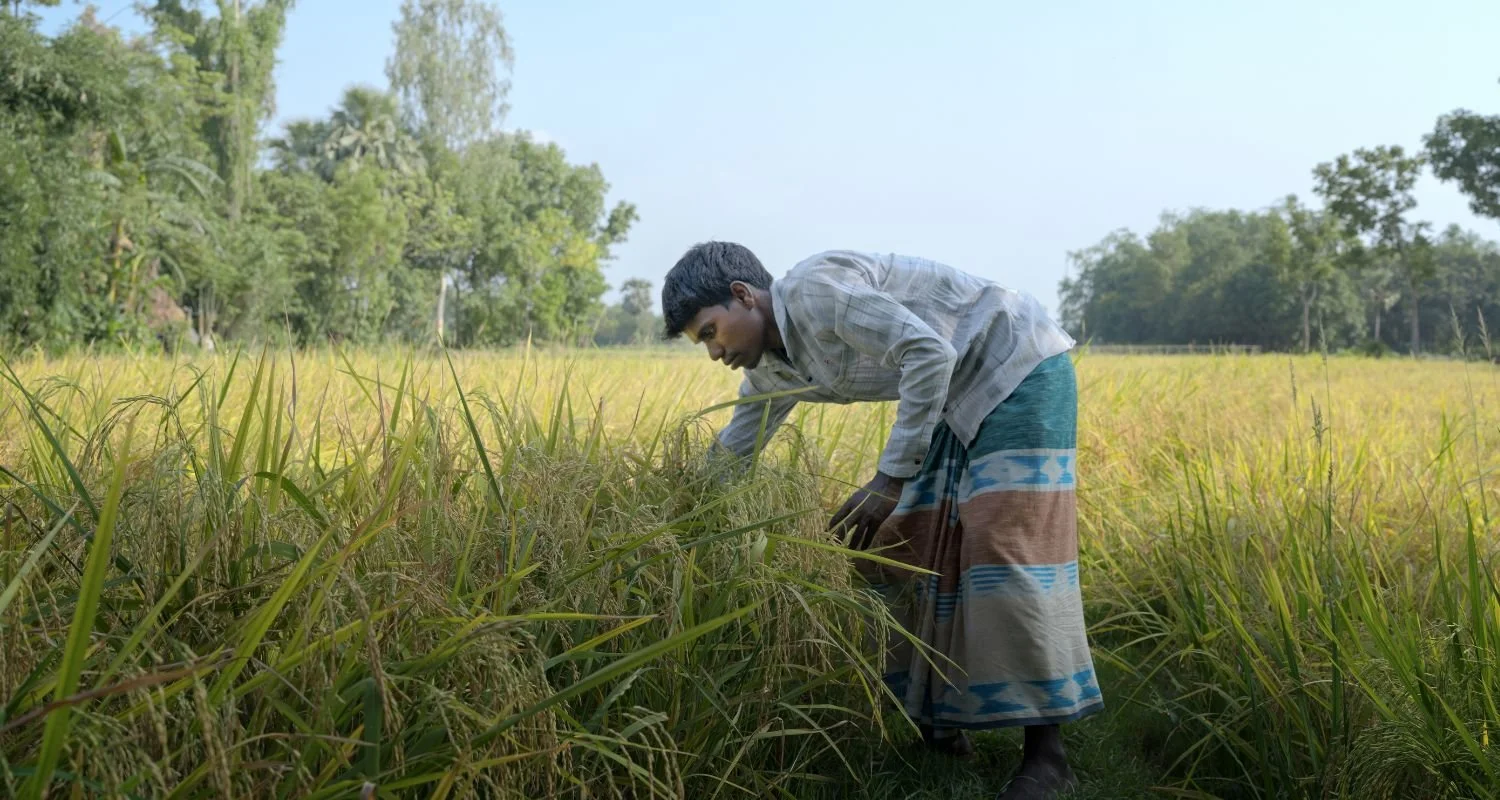
Across the Global South, this harvest season has arrived after months of growing pressure. In March, due to global shortages of fertiliser caused by the war in Iran, many harvests were poor.
Families grew less food than they hoped, earned less income, and were left with fewer seeds and fewer resources to prepare for the season ahead.
Now, with even less to plant, they face the prospect of another difficult harvest - which in so many cases would be devastating.
Global uncertainty, rising oil prices and disruption to major shipping routes have made commercial fertilisers increasingly scarce and unaffordable. When farmers are dependent on fertilisers and pesticides, it makes them more vulnerable to external shocks.
This can become a devastating cycle: a poor harvest means less income; less income means fewer seeds, less compost and less fertiliser for the next season; and that can lead to another poor harvest.
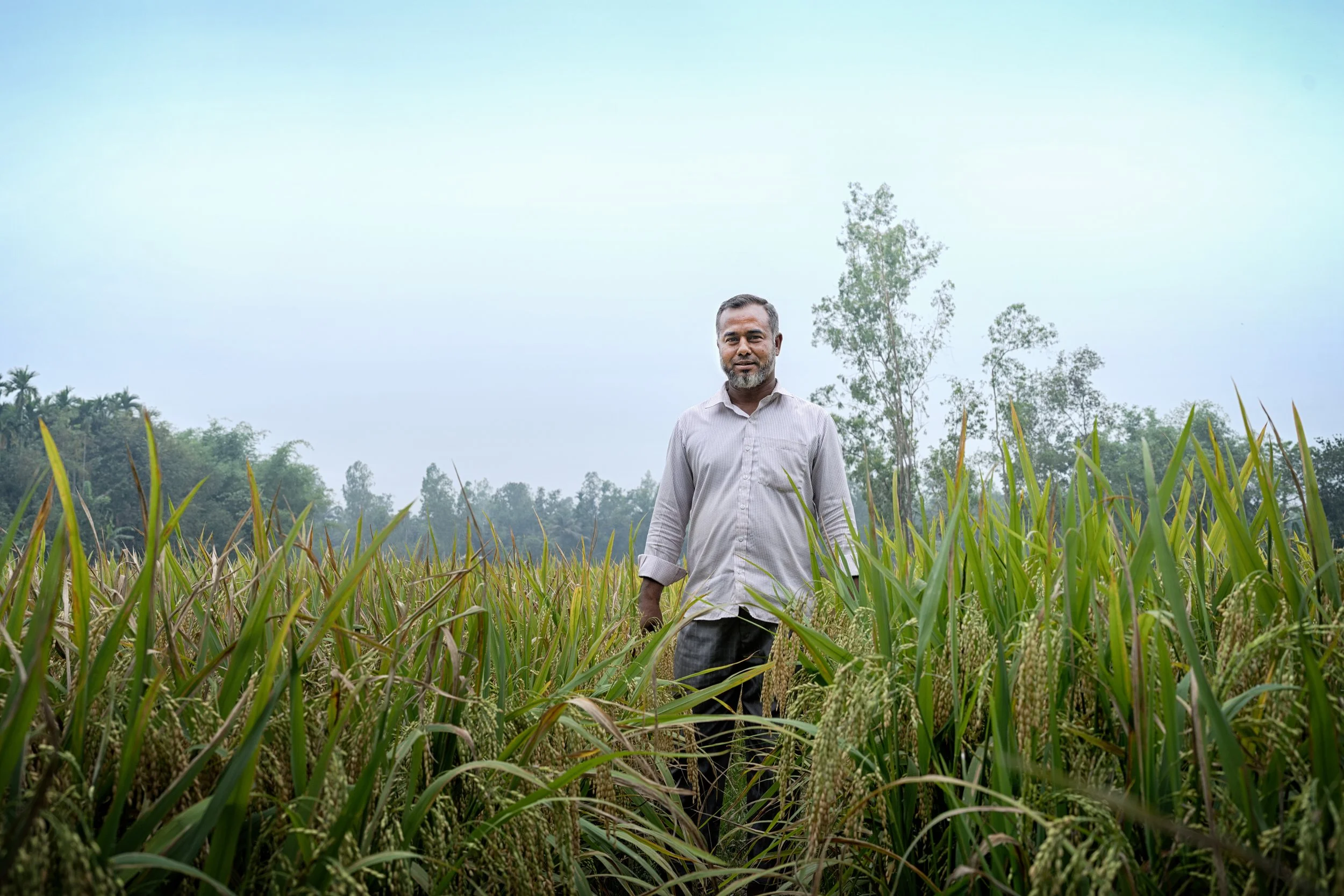
“We almost have to give up farming”
Md. Yakub Ali
“The Iran American war has had a massive impact on agriculture because the lack of oil meant that people could not irrigate. Farmers are unable to plough the fields on time, unable to collect pesticides or fertiliser. For the farmers of Bangladesh, instead of being profitable, the situation will become such that we almost have to give up farming.”
Md. Yakub Ali, farmer, Bangladesh
We must not give up.
With the right financial and technical support to move away from reliance on chemical fertilisers, communities could farm more regeneratively, which will ultimately benefit the environment and increase stability in the face of global crisis.
With locally made organic compost, training in more productive growing techniques, and stronger farmer collectives, farmers can protect their soil, grow more reliably, and face the next shock with greater confidence.
This harvest time, farmers need more than emergency help. They need the tools, skills and collective strength to rebuild — and to fight for changes to an unfair trade system that too often leaves them exposed.