
The way many large UK fashion brands buy clothing dumps inappropriate, unexpected and excessive risks and costs onto their supplier factories and undermines smaller fashion brands.
Their actions causes job losses, poverty wages, excessive overtime and unsafe conditions for the people who make our clothes.
A Fashion Watchdog could make brands pay what they owe, on time and in full.
Make sure your MP gets the message
The Government must introduce a Fashion Watchdog.
This would make sure the people who make our clothes are treated fairly by introducing penalties for brands that don’t pay on time and mislead their suppliers.
MPs all across the House of Commons are supportive - and we’re gaining momentum - with over forty currently signed up to back fairer fashion in parliament.
You can check below to see if your MP has already signed up - but if not,
ask them to back the people who make your clothes and support the Fashion Watchdog here.


48 MPs across party lines already support a Fashion Watchdog - is yours listed?
-

Apsana Begum MP
Poplar and Limehouse, Labour
-

Wendy Chamberlain MP
North East Fife, Liberal Democrats
-

Daisy Cooper MP
St Albans, Liberal Democrats
-

Kate Osamor MP
Edmonton, Labour (Co-op)
-

Bell Ribeiro-Addy MP
Streatham, Labour
-

Cat Smith MP
Lancaster and Fleetwood, Labour
-

Zarah Sultana MP
Coventry South, Independent
-

Munira Wilson MP
Twickenham, Liberal Democrats
-

Jeremy Corbyn MP
Islington North, Independent
-
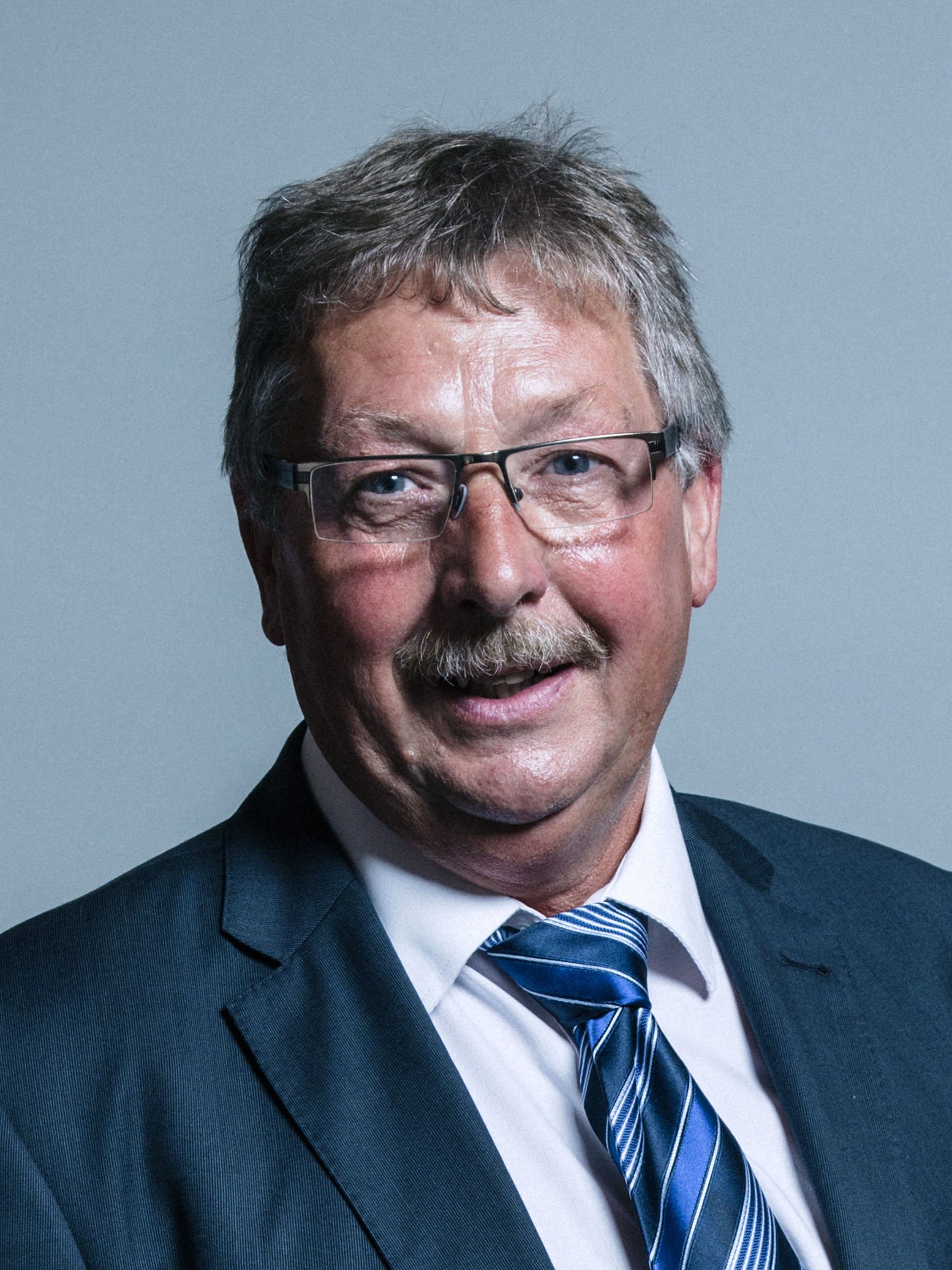
Sammy Wilson MP
East Antrim, DUP
-

Ellie Chowns MP
Green, North Herefordshire
-

Caroline Voaden MP
South Devon, Liberal Democrat
-

Claire Young MP
Thornbury and Yate, Liberal Democrat
-

Wera Hobhouse MP
Bath, Liberal Democrats
-

Rachel Maskell MP
York Central, Labour
-

Vikki Slade MP
Mid Dorset and North Poole, Liberal Democrat
-

Sarah Gibson MP
Chippenham, Liberal Democrat
-

Maya Ellis MP
Ribble Valley, Labour
-

Lisa Smart MP
Hazel Grove, Liberal Democrat
-

Sorcha Eastwood MP
Lagan Valley, Alliance
-

Liz Jarvis MP
Eastleigh, Liberal Democrat
-
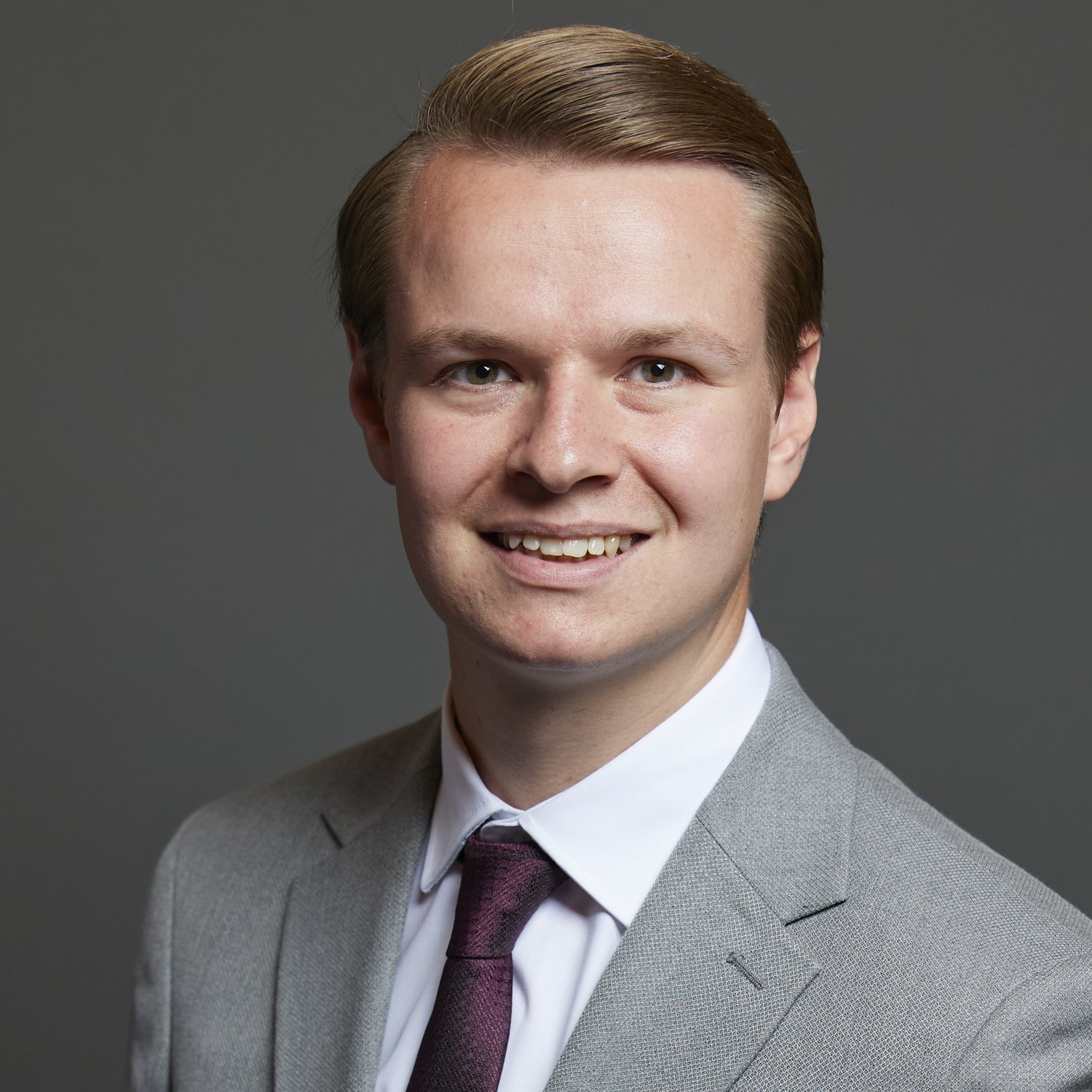
Joshua Reynolds MP
Maidenhead, Liberal Democrat
-

Luke Taylor MP
Sutton and Cheam, Liberal Democrat
-

Calum Miller MP
Bicester and Woodstock, Liberal Democrat
-

Zöe Franklin MP
Guildford, Liberal Democrat
-

Clive Jones MP
Wokingham, Liberal Democrat
-

Tom Gordon MP
Harrogate and Knaresborough, Liberal Democrat
-

James MacCleary MP
Lewes, Liberal Democrat
-

Layla Moran MP
Oxford West and Abingdon, Liberal Democrat
-

David Chadwick MP
Brecon, Radnor and Cwm Tawe, Liberal Democrat
-
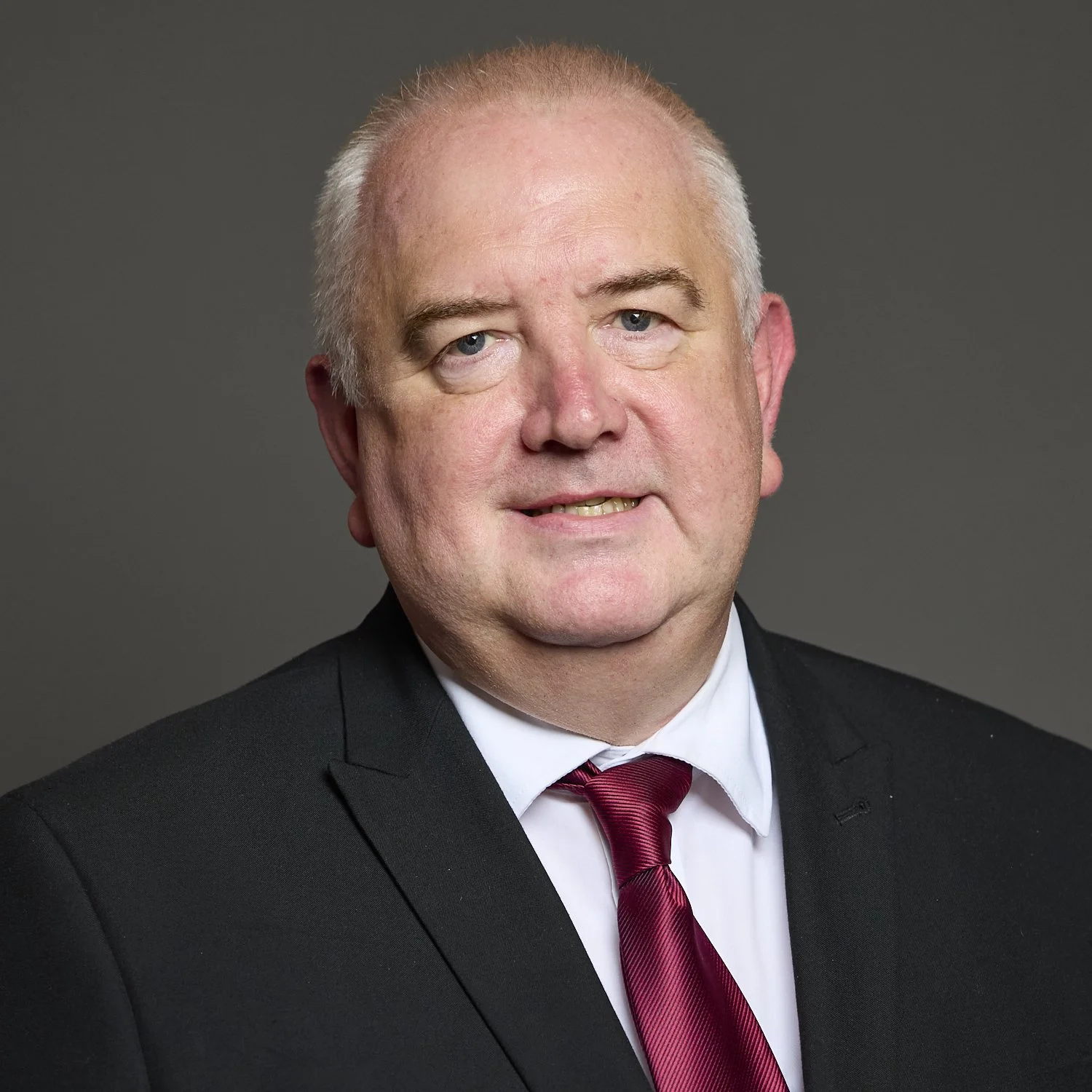
Martin Rhodes MP
Glasgow North, Labour
-
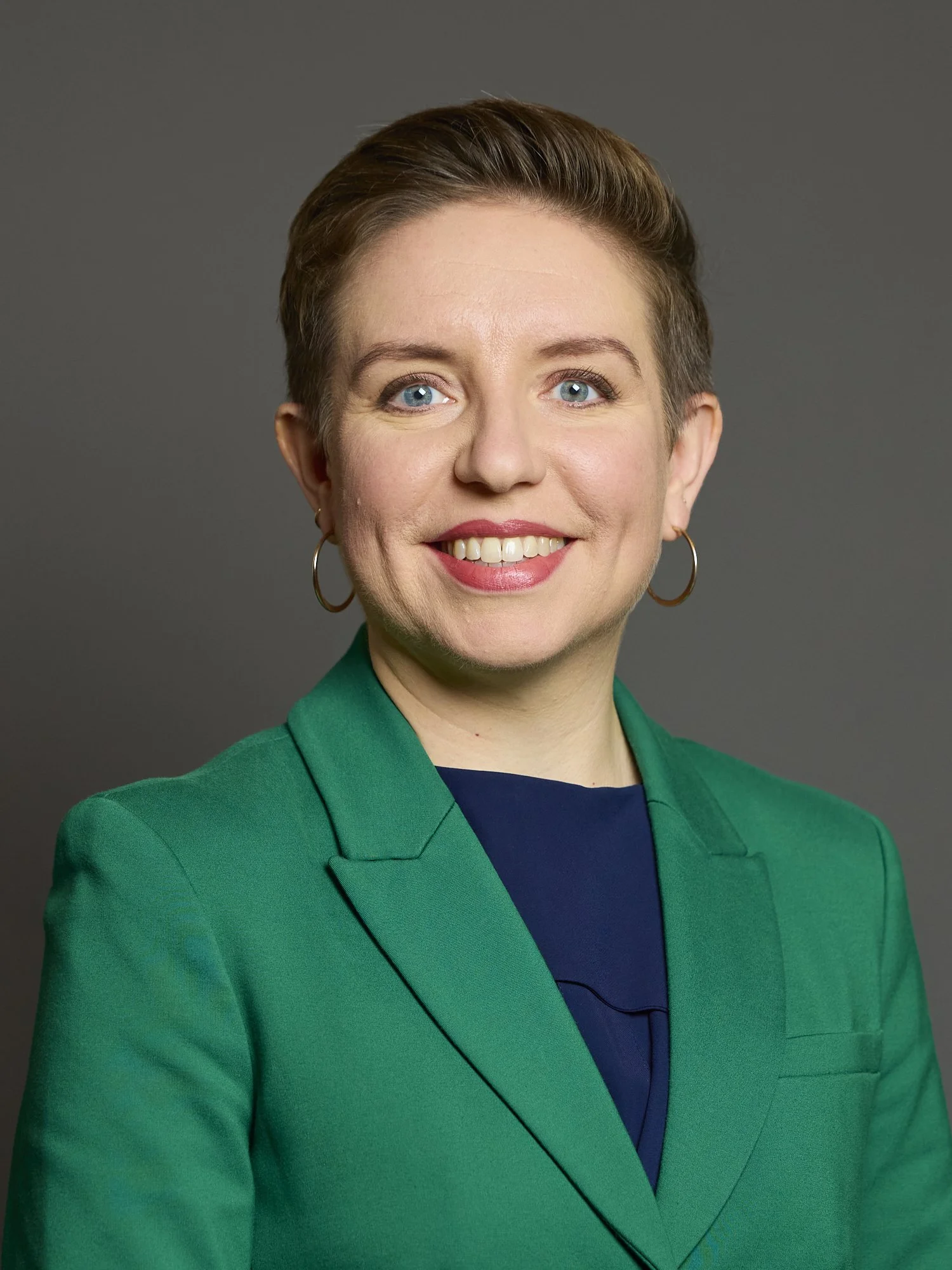
Carla Denyer MP
Bristol Central, Green
-
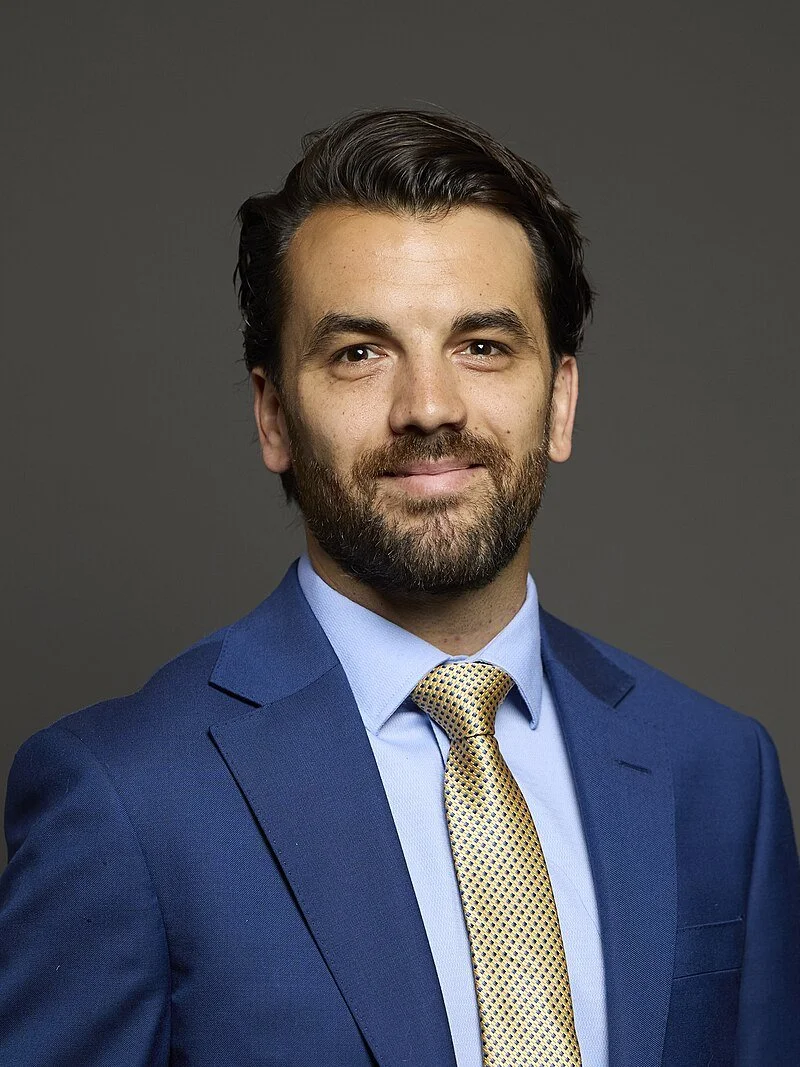
Bobby Dean MP
Carshalton and Wallington, Liberal Democrat
-

Claire Hanna MP
Belfast South and Mid Down, SDLP
-
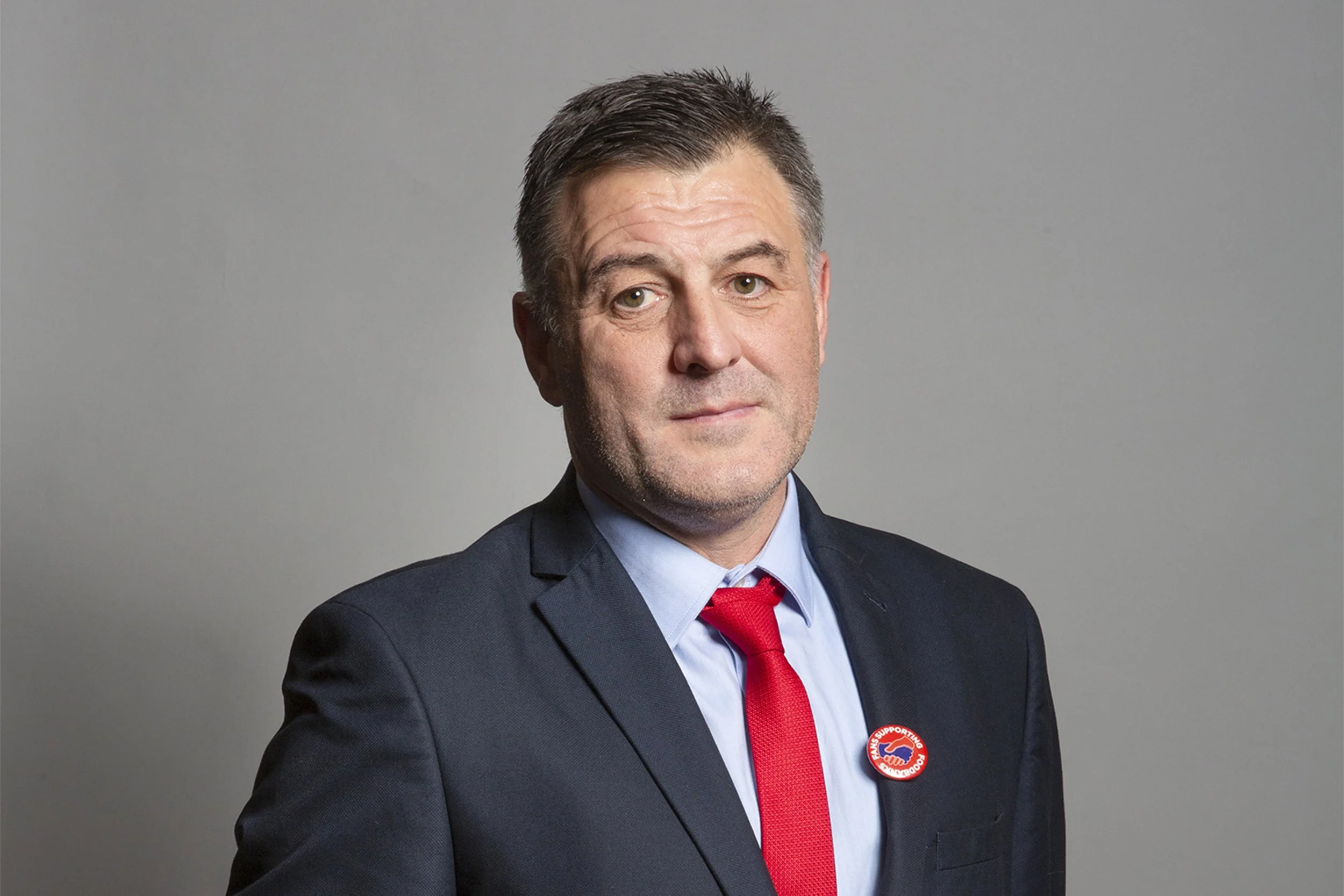
Ian Byrne MP
Liverpool West Derby, Labour
-

Tom Morrison MP
Cheadle, Liberal Democrat
-
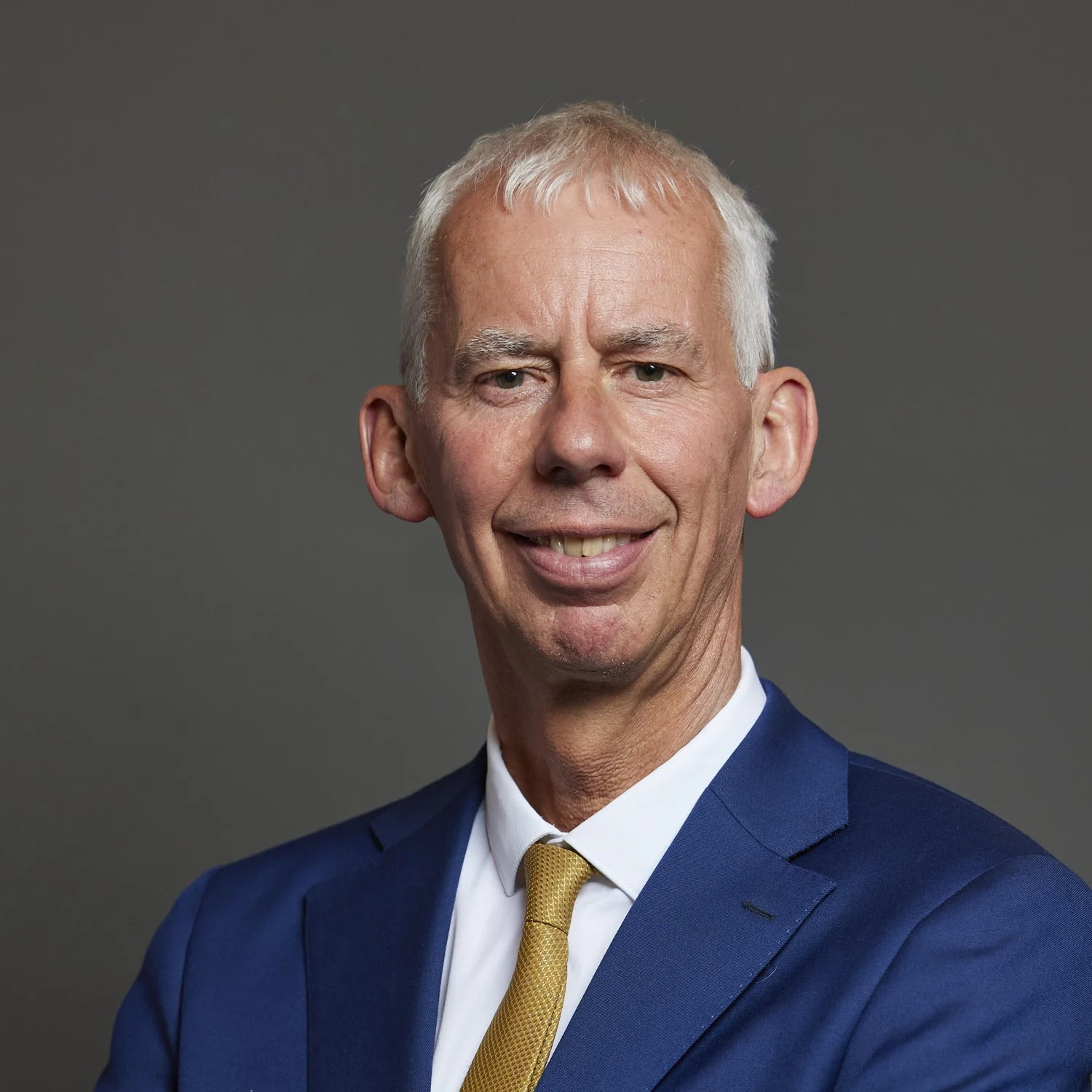
John Milne MP
Horsham, Liberal Democrat
-

Adrian Ramsay MP
Waveney Valley, Green
-
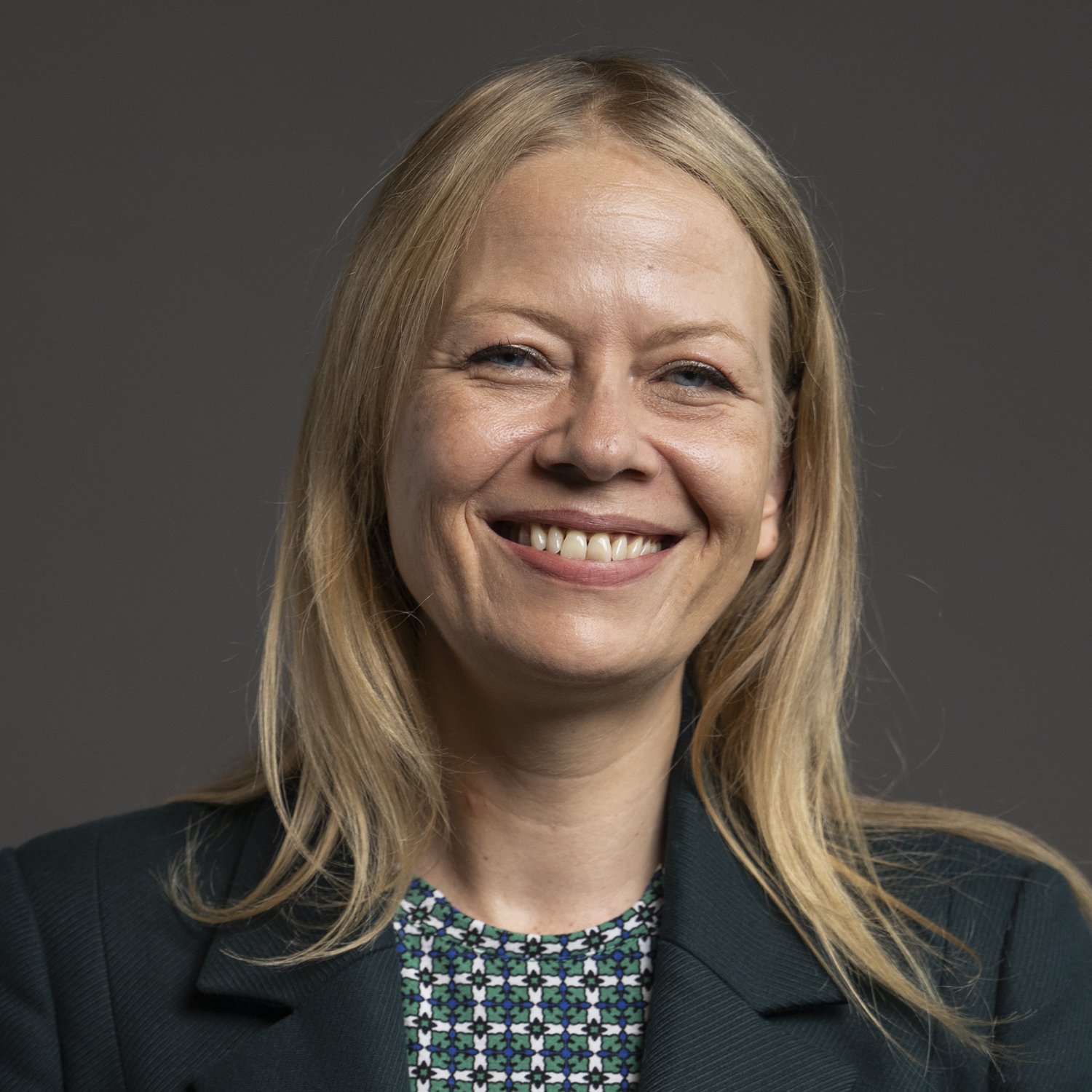
Sian Berry MP
Brighton Pavillion, Green
-

Andrew George MP
St Ives, Liberal Democrat
-
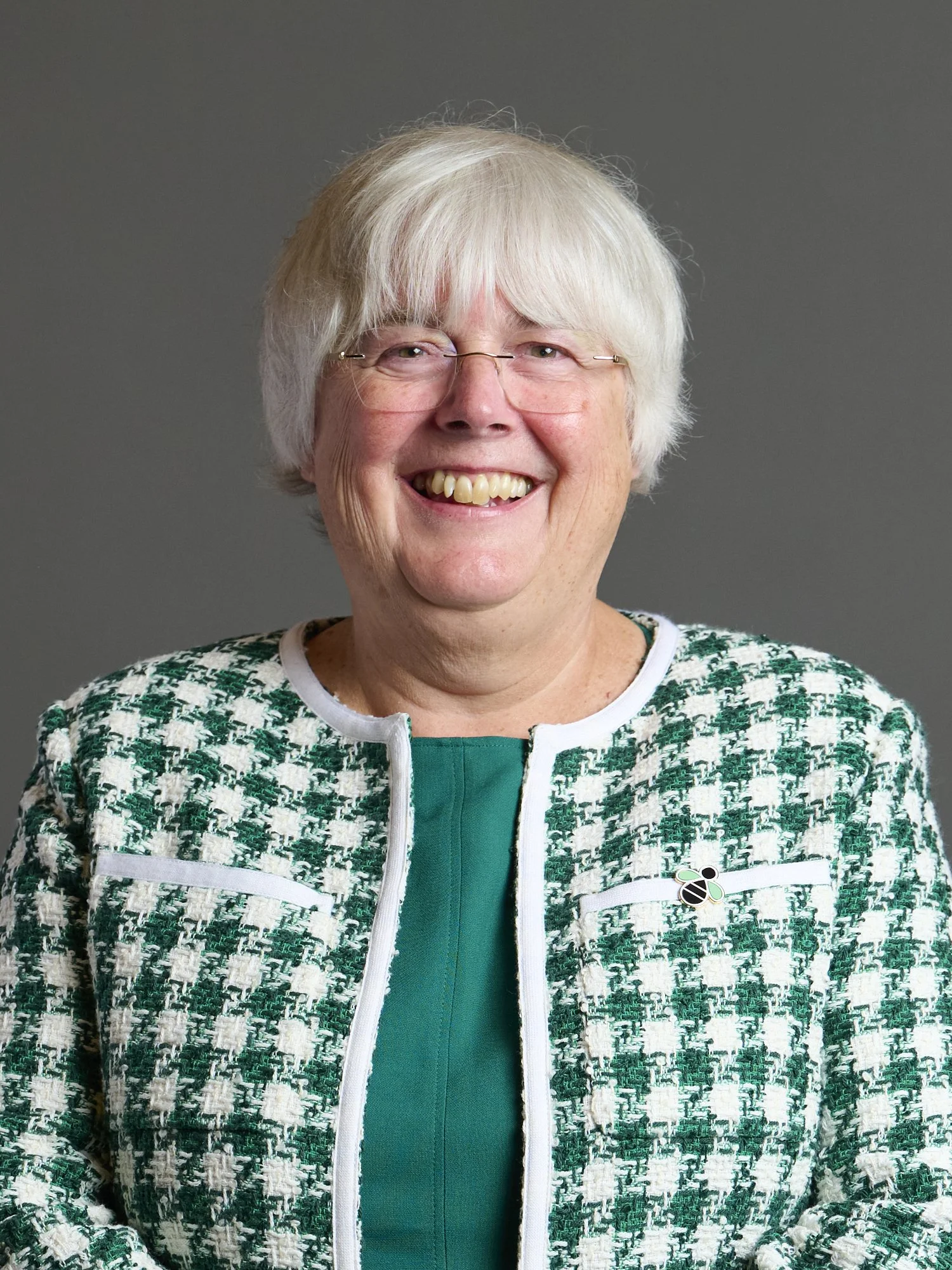
Charlotte Cane MP
Ely and East Cambridgeshire, Liberal Democrat
-

Neil Duncan-Jordan MP
Poole, Labour
-

Manuela Perteghella MP
Stratford-on-Avon, Liberal Democrat
-
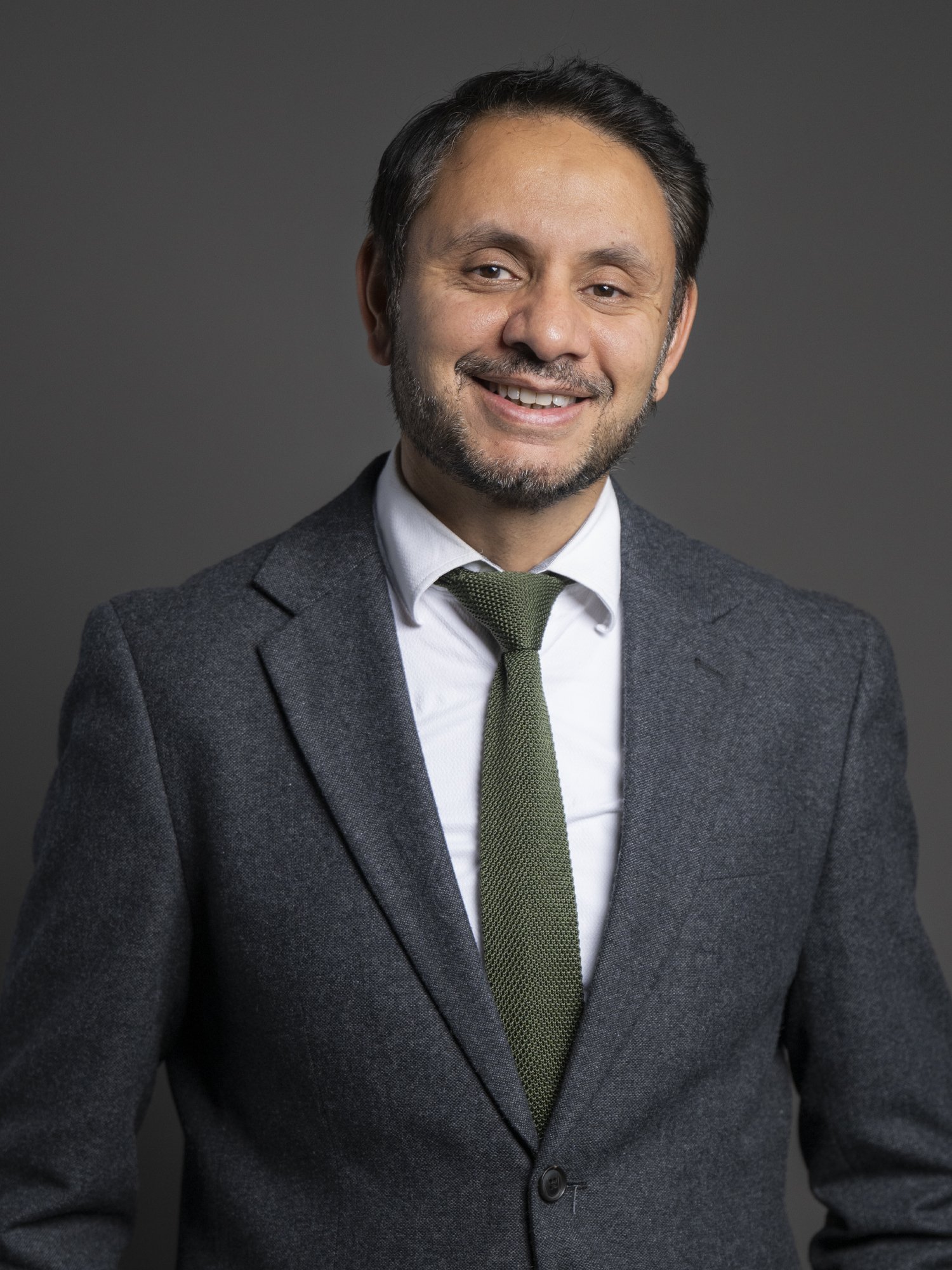
Shockat Adam MP
Leicester South, Independent
-
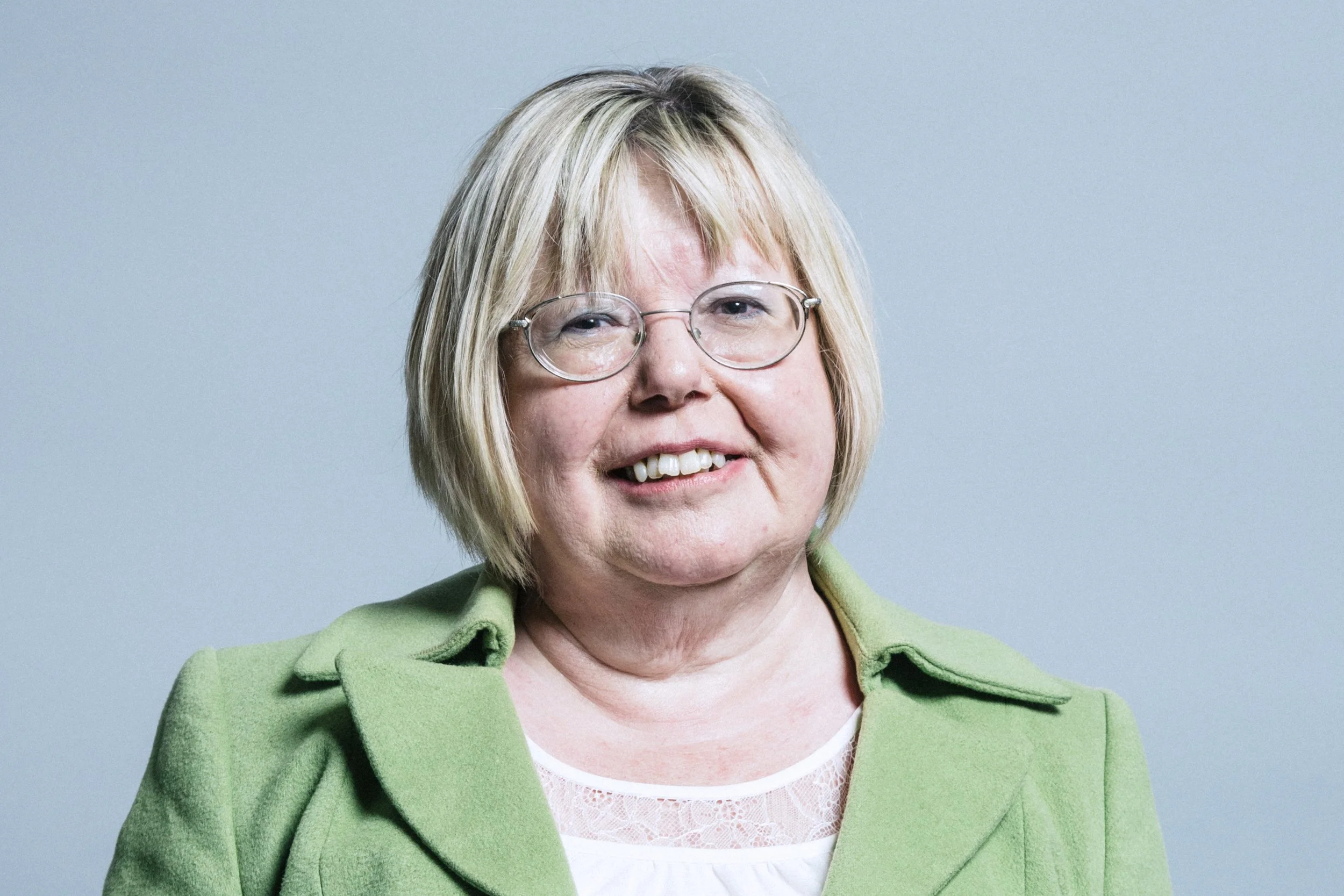
Liz Twist MP
Blaydon and Consett, Labour
-

Ian Sollom MP
St Neots and Mid Cambridgeshire, Liberal Democrat
-

Jamie Stone MP
Caithness, Sutherland and Easter Ross, Liberal Democrat
-
Jess Brown-Fuller MP
Chichester, Liberal Democrat
The Who Pays? Report
Our latest report exposes the constant risk and instability faced by UK-based suppliers to the fashion industry.
Workers in the UK face insecure hours, sudden loss of shifts, and intense pressure during short production windows.
This is not the fault of UK manufacturing.
It is the result of unfair purchasing practices that are normalised - and unregulated.
The Wearing Thin Report
In May 2025, Transform Trade published Wearing Thin: Retailer Impact on Indian Garment Manufacturers.
Of the 198 suppliers surveyed:
81% reported brands not adjusting for minimum wage increases.
53% said orders were cancelled after agreeing a contract with a brand
44% reported brands insisting on discounts after entering into contracts
Impact of Global Clothing Retailers' Unfair Practices on Bangladeshi Suppliers Report
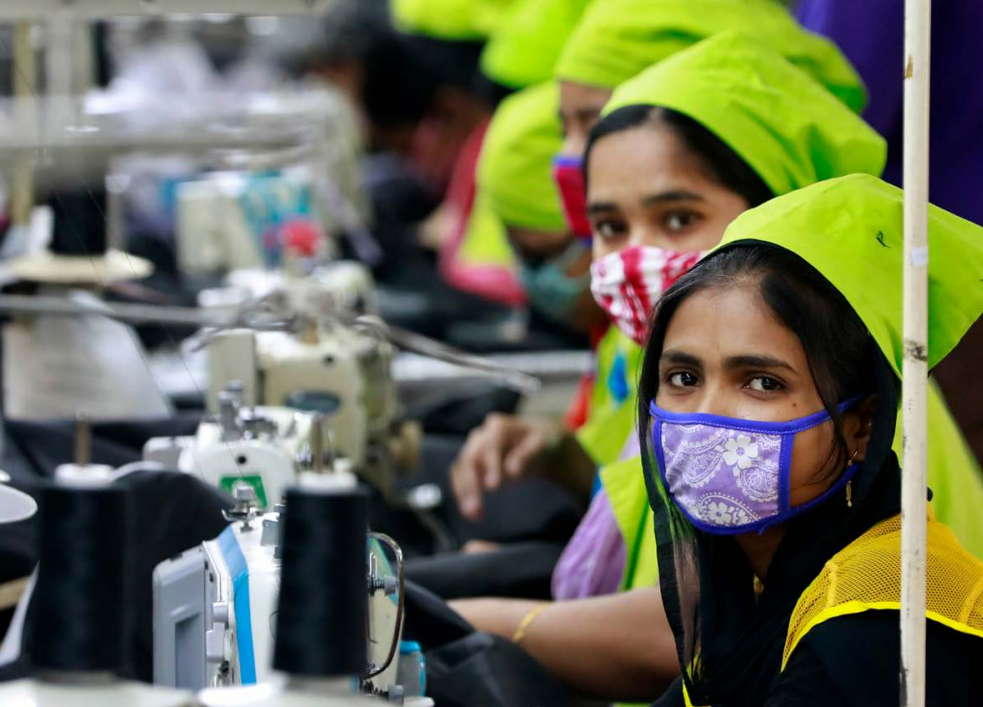
A research team led by Professor M. Azizul Islam at the University of Aberdeen, in collaboration with Transform Trade, surveyed 1,000 Bangladeshi manufacturers from March 2020 to December 2021.
The research found:
-
cancellation of orders
price reduction
refusing to pay for good dispatched/in production and
delayed payment of invoices.
-
88% of buyers purchasing from four or more factories in March 2020 were reported to engage in unfair practices as did 100% of those purchasing from 15 or more factories.
-
In March 2020, 72% of large brands /retailers (buying from 15 or more factories) were paying below the cost of production.
In December 2021 8.4% (80) factories reported selling below the cost of production.
The factories had apparently not been able to pass on additional production costs to buyers, including increases in the cost of raw materials and Covid-19 mitigation measures.
-
Nearly 1 in 4 manufacturers said they had to reduce their price to secure buyers. In December 2021
76% of factories reported they were selling at the same price as in March 2020, despite increase in costs.
-
A quarter of factories said buyers had pressured them to reduce the price since they had reopened, and 18.4% had struggled to pay the minimum wage.
Bangladesh research

In 2021, a research team led by the University of Aberdeen, in collaboration with partners in Bangladesh, undertook projects to investigate the impact of the Covid-19 pandemic on the garment industry in Bangladesh. Between 2020-2021 interviews were conducted with garment workers, trade union representatives, domestic and international NGOs and factory representatives.
Here’s what they found:
-
At least 25% of workers in the surveyed factories lost their jobs during March/April 2020. For those who kept their job many received only 50% to 60% of their usual wages from the EU support provided to pay workers salaries.
-
There was an increase in sexual and verbal abuse and symbolic violence, mainly from line supervisors pushing women to work faster to meet unrealistic production targets.
-
The disruptions from Covid-19 exacerbated interrelated vulnerabilities in economic security, job security, food security, housing security and health and wellbeing, resulting in women workers struggling to support themselves and their families.
In Cambodia
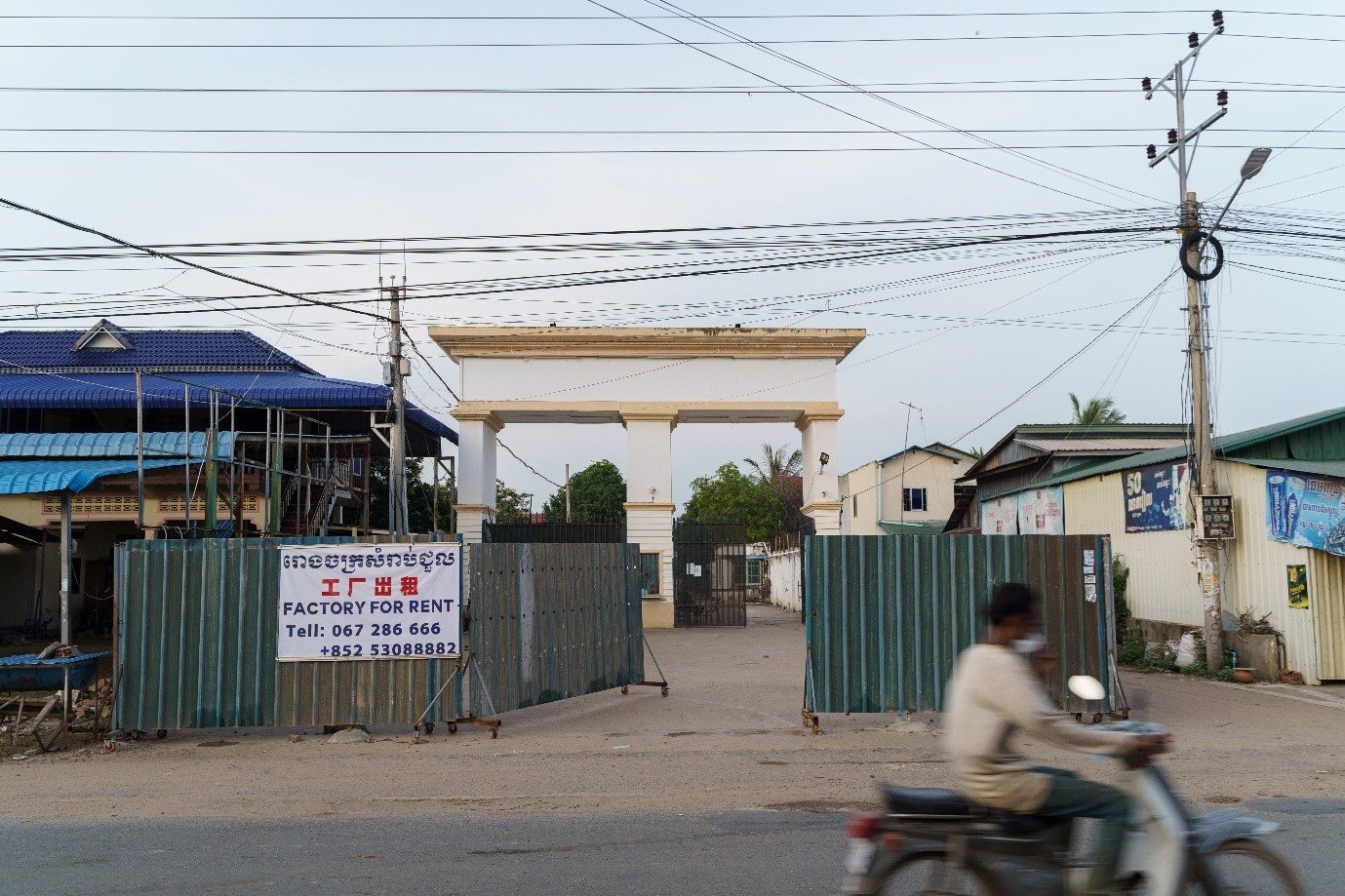
The research in Cambodia has been carried out as part of the Refashion study and the data below comes from a survey of 203 female garment workers in Cambodia undertaken by University of Nottingham, Royal Holloway, University of London and the Cambodia Development Resource Institute.
The research shows:
-
By October 2020, 85% of workers had been suspended from work for a temporary period because of Covid-19 and 7% had been laid off permanently. Average take-home pay in the sector fell by 20%.
-
85% of workers cut expenditure on food, with 20% reporting they did not have enough money to eat.
-
63% of garment workers had borrowed money prior to the pandemic.
-
38% of workers took on additional loans in 2020. By March/April 2021, 68% workers described loan repayments as one of their main financial worry, second only to living costs.