
The small-scale producer paradox
If there was a company responsible for 70% of global employment which provided up to two thirds of the world’s food – you can imagine how powerful that organisation would be.
The rules would be made in their favour. Nations would defer to them.
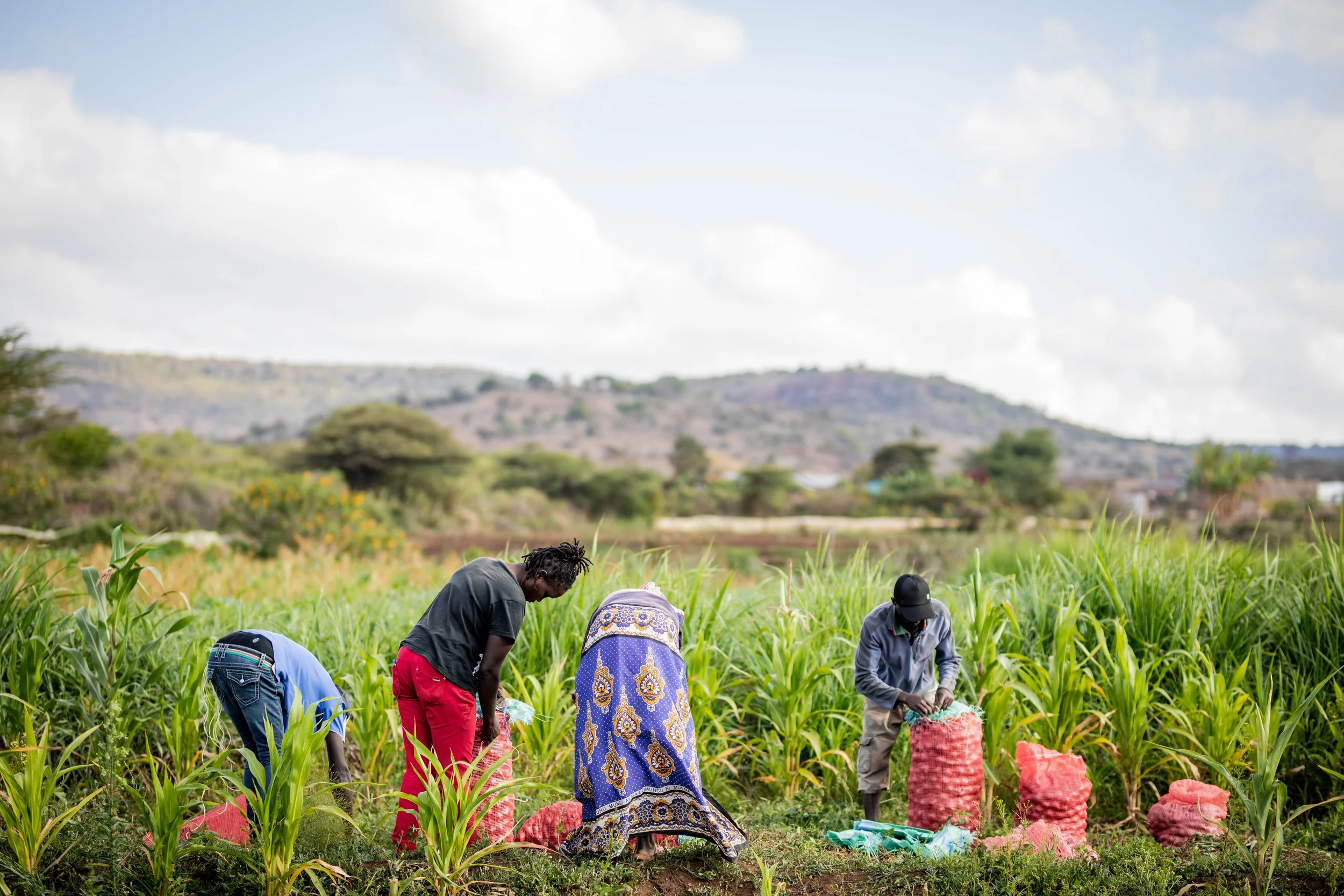
But it’s not a company or business that hits those numbers – it is small-scale producers. They grow most of the food, mine most of the minerals and make most of the clothes we buy.
That is the small-scale producer paradox – that they are not small in any way.
Around 90% of all businesses in the world are small scale businesses.
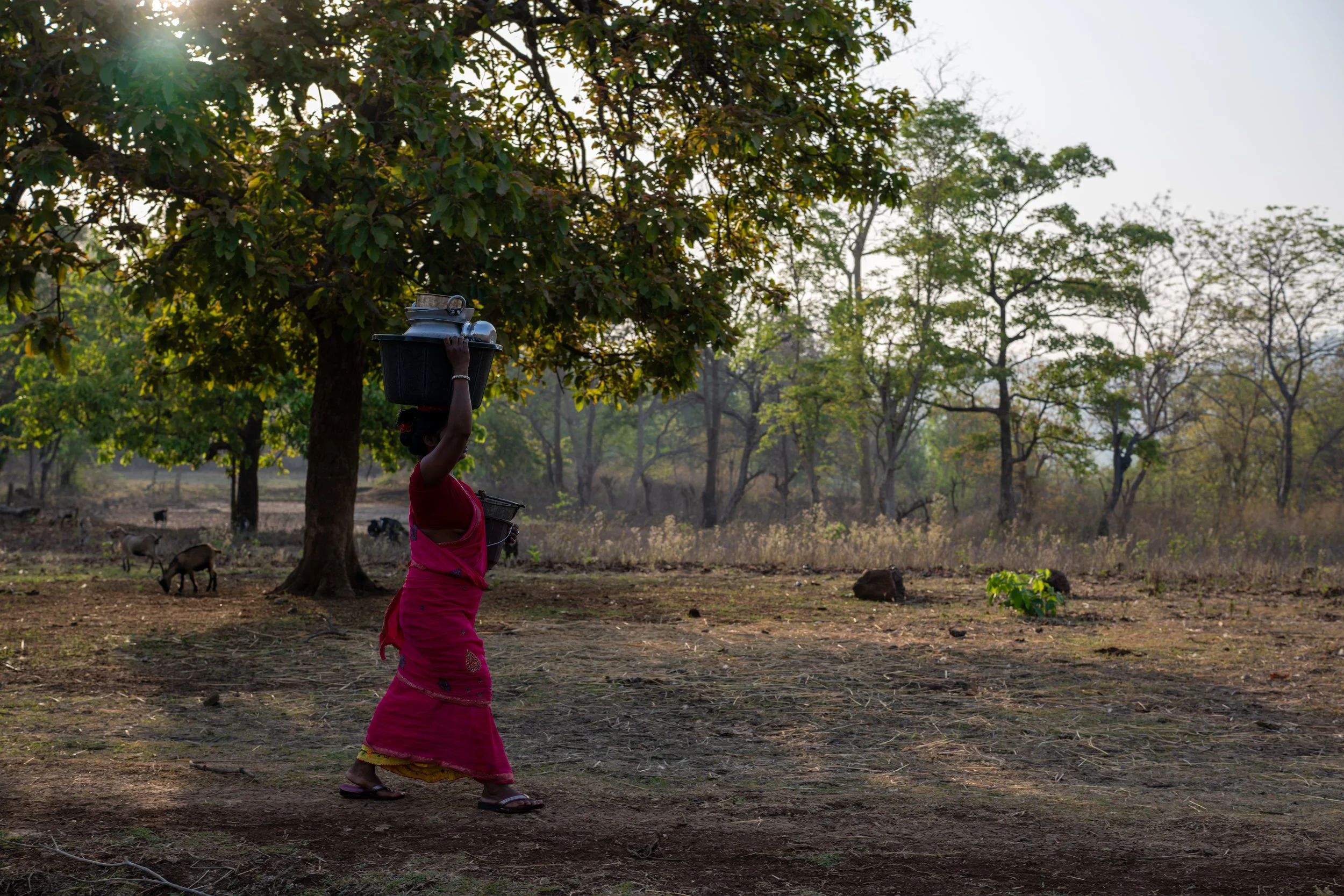
Salomi Malto, a farmer from Northern India, walks near her farm. Photo credit: Transform Trade/Ajaya Kumar Behera
This misunderstanding creates room for injustice
Despite their size, when it comes to making decisions and shaping systems, small-scale producers are frozen out. They’re isolated and exploited and they get no vote to change how it all works. They are seen as small, and treated that way too.
The real injustice is the gap between how small-scale producers should be treated – and how they currently are.
These producers should be invested in. They should be listened to. They should hold decision making power representative of their role in the global economy.
Instead, they feed and clothe the world yet in so many ways are simply ignored. New laws are made without their consultation. Finance is given in ways they had no influence over.
What can be done
There are two things that help create a system which works better for small-scale producers:
Firstly, awareness
When the true scale and importance of small-scale producers is known, it’s hard to argue that the current system is fit for purpose. Awareness is the first step to making change – it’s true for the general public and also decision makers around the world.
Next, agency and power
If we want true change, we need small-scale producers to have the platform, recognition, and the power to influence decisions that affect them. That means producers being represented in negotiations, meetings and forums at all levels in supply chains.
In short, we need the power of small-scale producers to be known and respected. We need the system to reflect their vast contribution to the global economy.