
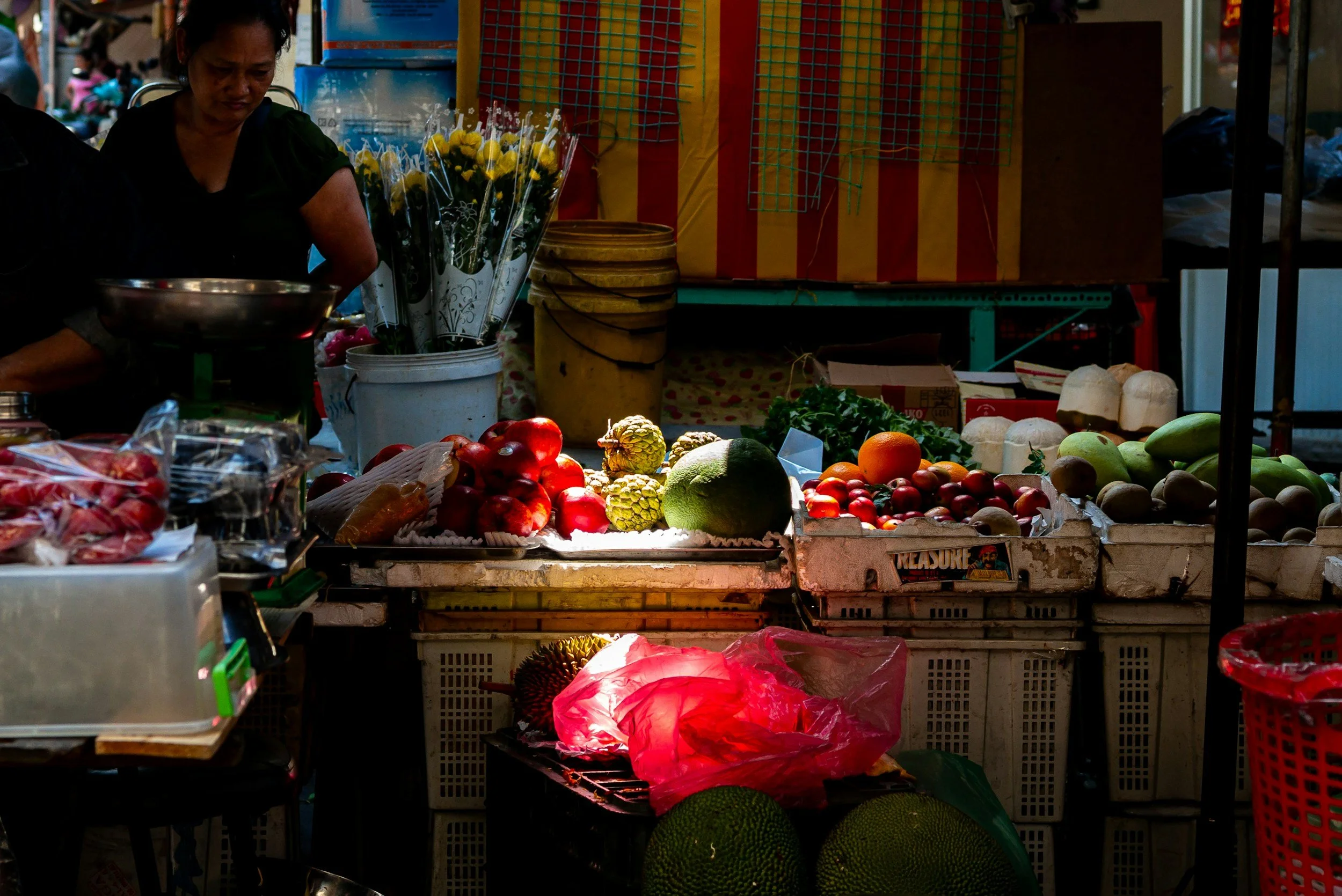
Huge parts of the global economy rely on workers and producers who, on paper, don’t even exist.
Hidden away in supply chains and operating without legal protections, billions of people help produce the food we eat and the clothes we wear - yet they’re not officially recognised . As a result, they have no access to pensions or social protection, and without sick pay or benefits, they’re especially vulnerable when illness, economic downturns, or unexpected shocks hit.
According to the OECD, around 60% of the world’s workforce - more than 2 billion people - are informally employed. And for most, it isn’t a choice. Informal work is even more common in the Global South, where there are fewer opportunities for formal employment. Informal working is closely linked to poverty, and the majority of informal workers are women.
Informal workers and producers also face difficulties in organising collectively, whether through collectives or unions, leaving them vulnerable to exploitation, and unable to negotiate for higher wages or better working conditions.
Despite this, informal workers are essential to everyday life. They grow the food we eat, make the clothes we wear, mine the minerals we rely on, and help keep supply chains moving. In fact, very few supply chains function without some level of informal labour. From smallholder farmers and street vendors to domestic workers and artisans, their contribution is huge - yet their voices are too often overlooked, and their needs ignored.
Many global brands are hesitant to acknowledge just how much they depend on informal workers. In many cases, it’s easier and cheaper to look the other way and avoid digging too deeply into their own supply chains.
More than two-thirds of global fashion brands, for example, don’t have policies that recognise home-based work, despite its extensive and well documented role in the fashion supply chain. Without that recognition, suppliers often assume home working is not allowed and deliberately obscure it, leaving workers stuck in low-paid, invisible roles.
“I get paid only by the piece, if I am not well and cannot work, I am not paid that day. There is no fixed income. Medical insurance, pension doesn’t exist,” - E. Kamalam, a homeworker in the fashion supply chain from Tirupur
The hidden workers behind your purchases
Next time you pick up a piece of fruit or slip on a new outfit, try pausing to think about the invisible workforce behind it. Informal workers aren’t on the margins of the global economy - they are the backbone of it. The real question is: how long can businesses, governments and consumers keep looking the other way? Recognising and supporting informal workers and producers isn’t just the right thing to do - it’s essential if we want supply chains that are fair, resilient and built to last.